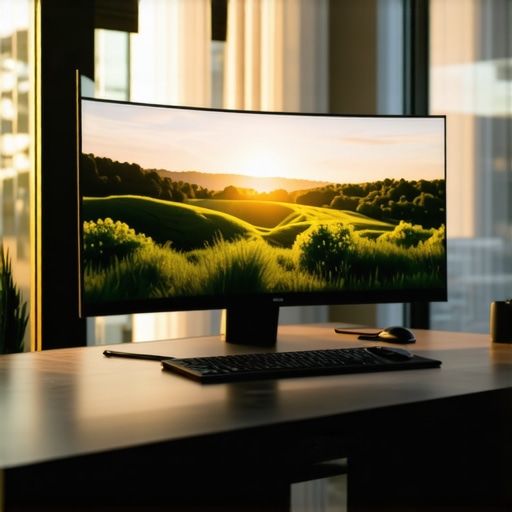
Ever sat down to work or game only to be frustrated by a tiny, cramped screen that makes everything feel disconnected? I’ve been there — struggling with dual monitors, trying to piece together a seamless workspace, only to end up more tangled than productive. That was my lightbulb moment: realizing that the right display setup could change everything. But here’s the kicker — I almost bought the wrong one, rushing into a curved TV that didn’t suit my needs. If you’ve ever faced similar confusion, you’re not alone. Lucky for us, I’ve done the homework, tested the options, and now I want to share how ultrawide and curved displays can revolutionize your viewing and working experience in 2024. Today, I’m going to show you how to avoid my rookie mistakes and pick the perfect screen for your space and style.
Why Ultrawide and Curved Displays Are Game-Changers
Let’s face it — the standard monitors of yesteryear are just not cut out for the multitasking, immersive gaming, or binge-watching marathons of today. They’re too narrow, too flat, and frankly, too dull. Enter ultrawide and curved displays. They’re not just about aesthetics; they’re about transforming how you see and interact with your digital environment. These screens offer a wider field of view, reducing the need to juggle multiple monitors, and the curvature creates a more natural, comfortable viewing angle that minimizes eye strain. I personally noticed a huge boost in my productivity when I switched to an ultrawide setup, and my gaming sessions became more immersive and engaging. The impact on your experience can be profound, whether you’re working on complex projects or diving into your favorite game.
According to a recent study, ultrawide monitors can increase productivity by up to 20%, simply because they allow for more seamless multitasking and less window switching. That’s a pretty compelling reason to consider making the switch. But I know what you’re thinking — “Is all this hype really worth it?” That’s a valid concern, especially when prices and options seem overwhelming. Well, I’ve learned from my own early mistakes that choosing the right display isn’t just about size or specs; it’s about understanding what truly enhances your workflow and entertainment. Want to avoid wasting money on the wrong tech? Keep reading — I’ll guide you through the hows and whys of finding the perfect ultrawide or curved display for your needs.
Is All the Curved and Ultrawide Hype Just Overblown?
Early on, I bought a curved TV thinking it would be the ultimate upgrade. Turns out, it was more suited for living room viewing than close-up work or gaming. I learned that not all curved screens are created equal, and the size and radius really matter. This mistake taught me that understanding your primary use is key. If you’re curious whether these displays are just a fad or genuinely beneficial, I’ll tell you: they’re here to stay, especially for immersive experiences. For more insights, check out this detailed comparison on curved TV vs ultrawide display.
So, if you’re considering an upgrade, ask yourself: what’s my main goal — productivity, gaming, entertainment, or all of the above? I’ll help you navigate the options, so you can avoid my early pitfalls and find that perfect setup. Ready to dive into the how-to? Let’s go!
,
Define Your Primary Use to Narrow Your Choices
Deciding whether you prioritize gaming, productivity, or entertainment will significantly influence the type of ultrawide or curved display you need. I once tried to use a curved TV for work, thinking the immersive experience would boost my focus. Turns out, it was too large and distracting for daily tasks. Instead, I learned to match the display’s curvature and size to my main activities. For example, if multitasking is your goal, consider an ultrawide monitor with a 32:9 aspect ratio, which reduces the need to toggle between windows. To understand how these setups impact your workflow, check out this resource.
Measure Your Space and Decide on the Right Size
Before purchasing, measure your desk and viewing distance. I once bought a 49-inch ultrawide without checking my space, and it overwhelmed my desk. A good rule of thumb: the monitor’s width should be less than or equal to your arm’s span for comfortable viewing. Also, consider the curvature radius; a 1800R curve offers a gentle bend, ideal for close-up use, whereas a larger radius like 3000R suits a more traditional setup. Use a tape measure to visualize your ideal size and curvature. This step prevents costly returns and ensures your setup is comfortable. For detailed size recommendations, visit this guide.
Research and Compare Key Features
Focus on resolution, refresh rate, and panel type. I initially overlooked refresh rate, which caused noticeable motion blur during gaming. For immersive gaming or fast-paced videos, aim for at least 120Hz. Resolution matters too; 3440×1440 (QHD) is a popular choice for ultrawide displays, balancing clarity and performance. Panel type affects color accuracy and viewing angles—IPS panels are ideal for detailed work, while VA panels offer better contrast for entertainment. Cross-reference specifications with reviews on this page to find the best match.
Choose the Right Mounting and Positioning
Proper placement is crucial. I initially placed my ultrawide too low, causing neck strain. Mount your display at eye level, about 20-30 inches from your eyes, to reduce fatigue. Use a sturdy monitor arm for flexibility and ergonomic adjustments. Position the monitor directly in front of you to avoid distortion and ensure uniform viewing angles. This setup minimizes discomfort and maximizes immersion, especially for extended sessions. For tips on optimal positioning, see this article.
Configure Settings for Optimal Experience
Adjust brightness, contrast, and color settings to match your environment. I calibrated my monitor with a colorimeter, which improved color accuracy and reduced eye strain. Enable features like flicker-free technology and blue light filters to protect your eyes during long use. Additionally, set the display to the native resolution and refresh rate for sharp images and smooth motion. Experiment with these settings to find what feels most comfortable. For detailed calibration tips, visit this resource.
Regular Maintenance and Updates Keep Your Setup Optimal
Keep your drivers and firmware up to date to ensure compatibility and performance. Clean your screen regularly with a microfiber cloth to prevent dust buildup, which can affect image quality. I also check for software updates periodically, which enhance display features and stability. This routine maintenance prolongs your display’s lifespan and maintains an immersive experience. For more maintenance tips, see this guide.
Many enthusiasts and even seasoned tech users fall into misconceptions when choosing ultrawide or curved monitors, often leading to suboptimal setups. Let’s dig deeper into what most people get wrong and uncover the hidden nuances that can make or break your experience. One of the most pervasive myths is that bigger is always better. While large screens can enhance immersion, they can also overwhelm your workspace if not paired with the right viewing distance and desk space. For example, a 49-inch ultrawide might sound impressive, but if your desk is cramped, it becomes more of a hindrance than a help. This is why measuring your space and considering your typical viewing distance is crucial — a mistake many overlook. Check out this guide for sizing tips.
Another common misconception is that all curved screens are equal. In reality, the curvature radius significantly affects usability. A 1800R curve offers a gentle bend suited for close-up work, whereas a 3000R is better for larger, more distant viewing. Using the wrong curvature can cause distortion and eye strain, especially during long sessions. I’ve seen many fall into this trap by choosing a curve based solely on aesthetics, only to regret it later. Understanding your primary use case — whether gaming, productivity, or entertainment — should guide your choice. For a detailed comparison, visit this resource.
Many assume that high resolution and refresh rates are the only specs that matter. While they are important, the panel type often gets neglected. IPS panels, for instance, provide better color accuracy and wider viewing angles, which are essential for creative work. VA panels excel in contrast, making them ideal for entertainment. Overlooking panel type can lead to dissatisfaction, especially if color fidelity or viewing angles are critical to you. I recommend cross-referencing reviews and specifications, like on this page, to find the perfect match.
Why do many advanced users still struggle with display setup?
The answer often lies in a lack of understanding of ergonomic placement and calibration. Even the most advanced display can underperform if placed improperly — too low, too high, or too close. Proper positioning is not just about comfort; it’s about reducing eye strain and maximizing immersion. Additionally, calibration for brightness, contrast, and color accuracy is an often overlooked step that can dramatically improve visual quality and reduce fatigue. I’ve learned that spending time on setup details yields the best long-term results, and I encourage you to follow these calibration tips.
Finally, a trap many fall into is assuming that the latest tech specs guarantee the best experience. Reality is nuanced: compatibility, your workflow, and even your desk ergonomics matter just as much. For instance, a high refresh rate monitor won’t benefit you if your graphics card can’t support it or if your desk setup causes discomfort. Be sure to consider all these factors holistically. Have you ever fallen into this trap? Let me know in the comments.
Keeping your ultrawide or curved monitor in top shape isn’t a one-and-done task. Regular maintenance ensures your display remains vibrant, responsive, and reliable over years of use. Personally, I’ve found that a combination of proper software updates, physical cleaning, and thoughtful setup adjustments can significantly extend the lifespan of my screens. As the technology evolves, so do the tools and methods to maintain it. In 2024, staying ahead means embracing some specific routines and tools that I swear by.
How do I maintain my screens over time?
First, always keep your drivers and firmware up to date. Manufacturers release updates that fix bugs, improve compatibility, and sometimes even enhance performance. I set a reminder every quarter to check for updates via the manufacturer’s official site or software utilities like DisplayFusion. This tool isn’t just for managing multiple displays; it also helps optimize display settings and notifications for updates, ensuring I don’t miss critical patches. Additionally, I enable automatic updates where available, which reduces the risk of running outdated firmware that could cause performance hiccups or compatibility issues.
Physical cleanliness is equally important. Dust and fingerprints can diminish image clarity over time. I use a soft microfiber cloth—never paper towels or harsh cleaners—that’s specifically designed for screens. For stubborn smudges, I dampen the cloth slightly with distilled water or a 50/50 mix of water and isopropyl alcohol, following the manufacturer’s cleaning guidelines. Regular cleaning prevents dust buildup in vents and ports, which can cause overheating or connectivity issues. Remember, always unplug the monitor before cleaning to avoid electrical hazards.
Calibrating your display periodically keeps colors accurate, especially if you’re engaged in creative work or want the best gaming visuals. I employ a hardware calibration tool like X-Rite i1Display Pro. It’s a bit of an investment, but it’s worth it for the precise calibration it offers. Regular calibration not only preserves color fidelity but also reduces eye strain, especially during long sessions. For software-based calibration, tools like DisplayCAL are free and effective, providing a good baseline for maintaining visual quality without extra hardware.
What’s the future of display maintenance?
Looking ahead, I predict that AI-driven diagnostics and remote firmware updates will become standard for high-end monitors. These innovations will allow manufacturers to identify potential issues before they manifest and push updates automatically, reducing downtime and user effort. Cloud-based calibration profiles might also become common, enabling seamless adjustments across multiple devices. For now, the best approach is to adopt a routine—schedule quarterly checks for updates, clean your screens carefully, and calibrate regularly. This proactive mindset will keep your ultrawide and curved displays performing optimally for years to come.
Don’t wait until your display shows signs of wear. Try integrating a hardware calibration tool into your maintenance routine—your eyes (and your workflow) will thank you. For more detailed tips on calibration and updates, visit this comprehensive guide.
Many users dive into upgrading their screens hoping to boost productivity or gaming immersion but often stumble over overlooked details that can turn a promising setup into a frustrating experience. My own journey with ultrawide and curved displays taught me vital lessons that I want to share to help you avoid common pitfalls and truly benefit from these innovative screens. Ready to unlock the secrets that make a difference? Let’s explore the hidden lessons learned and how they can transform your viewing experience in 2024.
The Hardest Lesson I Learned About Choosing Displays
I once bought a massive curved monitor purely based on size and aesthetic appeal, only to realize it overwhelmed my desk and caused neck strain. The lesson? Bigger isn’t always better—size and curvature must match your space and workflow. I also underestimated the importance of viewing distance and ergonomic placement, which are crucial for comfort and immersion. These realizations pushed me to consider the nuances of size, curvature radius, and desk space, ensuring my setup was tailored to my needs rather than chasing trends.
My Top Three Tips for Smarter Display Choices
- Focus on your main use: Whether it’s gaming, creative work, or multitasking, your primary activity should dictate the display type and specs. For productivity, ultrawide monitors with high resolution and aspect ratio are game-changers.
- Measure your space: Don’t skip measuring your desk and viewing distance. A 49-inch ultrawide could be perfect or overwhelming—know before you buy. Use a tape measure to visualize optimal size and curvature.
- Prioritize ergonomics and calibration: Proper placement at eye level and calibration for color and brightness can prevent fatigue and improve image quality. A little setup effort yields long-term comfort and performance.
Where I Find Inspiration and Reliable Info
- This detailed study helped me understand how ultrawide monitors boost productivity and gaming experience, guiding my choices.
- Comparative guides clarified the differences between curved TVs and ultrawide displays, helping me pick the right tech for my needs.
- Workspace transformation tips showed me how to optimize monitor placement and settings for maximum immersion and comfort.
- This comprehensive guide became my go-to resource for understanding specs, sizing, and calibration, ensuring I made informed decisions.
Don’t Be Afraid to Make Your Own Path
Embracing the potential of ultrawide and curved displays is about more than specs—it’s about creating a setup that feels natural and boosts your daily experience. Whether you’re upgrading for work, gaming, or entertainment, remember that the best display is the one tailored to your space, needs, and comfort. Don’t hesitate to experiment, calibrate, and adjust until it feels right. Your future immersive workspace or gaming den starts with a decision today, and every step you take brings you closer to a visual experience that truly elevates your digital life.
What’s the biggest challenge you’ve faced when choosing a new display? Share your story below—I’d love to hear how you’re customizing your immersion journey!
,
This article really resonated with me, especially the part about measuring your space before making a purchase. I made the mistake of buying a large ultrawide monitor without considering my desk’s dimensions, and it ended up being too overwhelming for my setup. Since then, I’ve learned that not only size but also curvature radius and viewing distance play a crucial role in comfort and productivity. I’ve recently switched to a 34-inch ultrawide with a gentle 1800R curve, and the difference in immersion and comfort is noticeable.
What do others recommend for balancing monitor size and desk space? Do you think a monitor arm truly makes a difference in optimizing ergonomics? I’d love to hear more tips on customizing setups to avoid common pitfalls and maximize immersive experience.