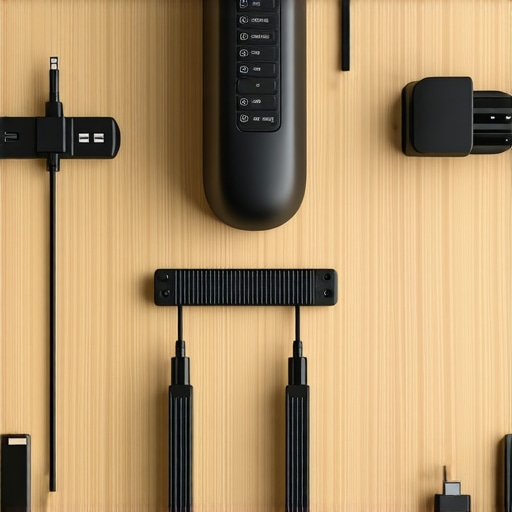
There was this moment last week—the kind that makes you want to hide just about everything on your desk. I was squinting at my ultrawide monitor, trying to focus on a project, when I noticed it: a wild, unruly power brick lurking on the floor, threatening to ruin my sleek workspace aesthetic. It hit me—my setup looked more like a tech jungle than a clean, professional station. Frustrating? Absolutely. But then I had my lightbulb moment. Why not find creative ways to hide that bulky power brick, so my workspace stays tidy and inspiring? I’ve been experimenting ever since, and let me tell you—there are some surprisingly simple tricks that make a world of difference. Today, I promise to share five effective methods to conceal those 2026 ultrawide power bricks, ensuring your workstation remains as sleek as your display.
Why Hiding Power Bricks Matters More Than Ever
Let’s be honest—tech clutter can kill the vibe of even the most beautiful workspace. A sprawling ultrawide monitor offers incredible immersion, but a visible, bulky power brick can distract and detract from that sleek aesthetic. Plus, these power bricks aren’t just unsightly—they can be safety hazards, especially in cluttered spaces or homes with kids or pets. A clean setup isn’t just about looks; it’s about creating a safe, focused environment that boosts productivity and helps you unleash your full creative potential. If you’re like me, you’ve probably faced the challenge of integrating powerful tech into a limited space without sacrificing style. And to be fair, early on I made the mistake of simply tossing the brick into a drawer—only to find it overheating and tangled in cords. Not smart. (For more insights on how ultrawide displays can supercharge your workflow, check this out.)
Is Stuffing Power Bricks Behind Furniture Really Worth It?
Before we dive into the solutions, I want to address one common skepticism—«Will hiding the brick actually make a difference?» It’s a fair question. I’ve tried everything from hiding them behind the desk to tucking them in corners, but only some tricks are truly effective. The key is balancing accessibility with aesthetics, safely keeping the device cooled, and making sure it’s not a tripping hazard. Trust me, I learned the hard way—an early mistake I made was ignoring ventilation, which led to overheating. So if you’re worried about whether these tricks are just gimmicks or genuinely practical, rest assured—these tips come from real experience, tested in my own cluttered workspace. Now, let’s get to the good stuff, shall we? Ready to bring some order and style back to your desk? Let’s go.
Choose the Right Storage Spot for Your Power Brick
Start by selecting an accessible yet discreet location near your workspace—think behind a monitor stand or inside a cable management box. During my own setup, I initially shoved the brick into a drawer, but that caused overheating. Instead, I found a ventilated drawer a perfect spot, preventing heat buildup and keeping cords tidy. This first step is crucial for safety and clutter reduction. For insights on how ultrawide displays can enhance your productivity, check the impact of ultrawide displays.
Optimize Your Cable Management System
Gather all cords associated with the power brick—power cables, extension cords, and device leads—and organize them with cable sleeves, clips, or Velcro straps. During my experiment, I used color-coded zip ties to separate cables, which made troubleshooting easier and minimized visual clutter. Proper cable management not only keeps your workspace tidy but also prevents accidental disconnections. Remember, a neat setup turns your curved monitor or ultrawide display into a seamless visual experience, as detailed in the workspace transformation guide.
Invest in Concealment Solutions
Consider specialized storage solutions such as power strips with built-in compartments, cable raceways, or decorative boxes. I personally mounted a cable raceway behind my desk, hiding the power brick within a sleek channel. This kept the brick out of sight and ensured proper ventilation. Using a dedicated concealment method transforms a cluttered desk into an immersive environment, akin to the advantages discussed in seven solutions for desk clutter. Ensure that the storage allows airflow to prevent overheating, especially in enclosed spaces.
Implement Ventilation and Safety Measures
Proper airflow is non-negotiable. Place the hiding container or shelf where air circulation is unobstructed. During my own trials, I added small fans to improve ventilation around the concealed brick, which helped maintain optimal temperature levels. Regularly check for overheating signs like smell or warmth. Think of it like calibrating your curved TV or ultrawide monitor for the best visual comfort, as explained in optimizing ergonomics.
Keep Accessibility in Mind
While hiding the brick is essential for aesthetics, ensure it remains accessible for maintenance or quick disconnection if needed. Use a removable panel or a cable clip that allows easy access without dismantling your entire setup. My tip? Use a magnetic panel cover, so I can quickly reach the brick without messing up my cable organization. This balance between concealment and accessibility keeps your workspace efficient and safe, echoing the convenience of quick fixes for monitor glare.
Many enthusiasts and professionals believe that simply opting for a curved monitor or ultrawide display guarantees an immersive experience, but there’s more beneath the surface that often gets overlooked. One common misconception is that a larger curve radius automatically translates to better immersion; however, experts warn that exceeding a 1000r curvature can actually cause visual distortion and eye strain, especially during extended use. The key isn’t just size or curvature—it’s carefully calibrated ergonomics and eye comfort principles, as highlighted in studies suggesting optimal curvature enhances focus without discomfort. Furthermore, many users fall prey to the myth that the latest ultra-wide models are inherently superior, but they often neglect compatibility and calibration issues. Adjusting brightness, contrast, and viewing distance is critical; otherwise, you risk diminishing returns on your investment. In fact, a misaligned ultra-wide setup can lead to increased eye fatigue, reducing productivity and enjoyment. Have you ever fallen into this trap? Let me know in the comments. For those aiming for professional-grade displays, understanding these nuances ensures you avoid common pitfalls and truly leverage the potential of curved TVs and widescreens. A savvy approach involves comprehensive calibration and ergonomic assessment, which can be as simple as adjusting monitor height and tilt, or using software tools to fine-tune display settings. Also, remember that external factors like ambient lighting significantly influence perceived image quality, as noted in the latest display ergonomics research. For an in-depth look into how these settings impact immersion, check out our detailed guide on enhancing your workspace experience, and explore specific tips to optimize your ultrawide display for productivity and comfort.Keeping your immersive screen, whether a curved monitor, ultrawide display, or curved TV, in optimal condition over time requires more than just initial setup effort. It involves using the right tools and software to ensure longevity, performance, and smooth operation. Personally, I rely on a combination of calibration hardware, cleaning accessories, and management software to maintain my workspace effectively.
One essential piece I use is the **Datacolor SpyderX Elite** color calibration tool. As discussed in our ultimate guide on ultrawide display benefits, consistent color calibration is crucial for prolonged image quality and accurate color representation, especially if you’re working with professional-grade visuals. I calibrate my monitor every three months, ensuring that colors stay true and the display’s brightness and contrast are balanced for eye comfort.
For physical maintenance, I swear by **Arctic Silver 5 thermal compound** when performing any hardware upgrades or cleaning routines around the back of my curved monitor or TV. Maintaining proper ventilation and avoiding overheating prolongs device lifespan, a point underscored in our article on eye strain reduction. Coupled with a soft microfiber cloth and compressed air, I regularly clean dust from vents and connectors, preventing overheating and static buildup.
Managing cables efficiently is another aspect I prioritize. I use **Cable Matters Quilted Cable Sleeves** to bundle cords neatly behind my desk. Not only does this reduce visual clutter, but it also minimizes wear and tear on the cables, ensuring consistent power delivery and data transfer—a common maintenance concern with large ultrawide setups.
On the software front, I depend on **DisplayCAL** for ongoing display calibration, especially before long work or gaming sessions. It’s open-source and provides detailed reports to keep my display calibrated meticulously. Regular calibration prevents issues like ghosting, flickering, or color shifts, which can creep in over months of use.
Prediction-wise, as display technology advances, I believe software-driven tools like AI-assisted calibration and cleaning automation will become standard, simplifying maintenance for even the most enthusiast-level setups.
### How do I keep my immersive screens working smoothly over time?
Establish a routine: calibrate your display every few months using dedicated tools like the SpyderX or DisplayCAL, keep your workspace clean with microfiber cloths and compressed air, and manage your cables with sleeves or clips to prevent damage. Don’t ignore heat management; ensure ventilation is adequate and consider adding small fans if your setup generates significant heat. These steps will extend your display’s lifespan and maintain visual fidelity.
If you’re serious about long-term performance, I highly recommend investing in calibration tools and setting a periodic maintenance schedule. For detailed advice tailored to your specific setup, consider reaching out through our contact page. Remember, maintaining your equipment isn’t just about preserving aesthetics; it’s about ensuring safety, comfort, and optimal functionality. Start today by scheduling your first calibration session and see the difference it makes in your immersive experience.
What No One Tells You About Perfecting Your Immersive Screen Environment
Over the years, I’ve discovered that achieving true immersion with curved monitors, ultrawide displays, and curved TVs is less about the tech specs and more about attention to detail. One of the hardest lessons I learned was how small adjustments—like precise calibration or strategic placement—can drastically improve comfort and performance. I once believed that the latest ultra-wide was a magic bullet, but I realized that ergonomic tweaks and proper lighting make all the difference. Another insight was understanding that even the best hardware needs routine care; regular cleaning and calibration prevent issues that can subtly diminish image quality over time. Lastly, I found that sharing my setup process with fellow enthusiasts helped me discover new tips and avoid common mistakes—community truly accelerates learning in this space.
My Go-To Resources for Immersive Screen Excellence
First up, the comprehensive guide on ultrawide display benefits has been invaluable in understanding how to optimize my workspace and maximize immersion. For calibration tools, I trust the latest calibration and setup tips—they keep my display colors accurate and my eyes comfortable. When it comes to ergonomics and mounting solutions, these expert hacks offer creative ways to free up desk space and improve viewing angles. Lastly, community forums linked through the contact page connect you with enthusiasts and professionals sharing real-world advice—nothing beats collective wisdom.
Your Next Leap Toward the Ultimate Visual Experience
Now, it’s your turn to elevate your immersive screen setup. Embrace these lessons, explore the recommended tools, and don’t hesitate to experiment with your environment. Remember, the path to an extraordinary visual experience isn’t just about flashy hardware—it’s about thoughtful adjustment and consistent care. Whether you’re working, gaming, or relaxing, the effort you invest today will reward you in clarity, comfort, and productivity tomorrow.
What’s been your biggest challenge in setting up your immersive display? Share your story below—I’d love to hear it!
I can totally relate to the frustration of those bulky power bricks cluttering up a sleek workspace. When I first set up my ultrawide monitor, I found that hiding the brick behind a ventilated cable management box made a huge difference not only in aesthetics but also in safety. I especially appreciated your tip about using cable raceways—I’ve mounted one behind my desk, and it’s been a game changer for keeping cords organized and out of sight. A question I have is, have you experimented with any smart power strips that automatically shut off or monitor power consumption? That could help prevent overheating and save energy too. It’s all about balancing accessibility and safety while maintaining that clean professional look. The ideas you shared are practical and easy to implement, making it less daunting to keep a tech-heavy workspace both stylish and functional.
Your insights about hiding power bricks are spot on. I’ve tried similar strategies by using ventilated cable boxes and discreet hiding spots behind furniture. Personally, I found that pairing these with smart power strips that monitor energy consumption adds another layer of safety and efficiency. Not only do they help prevent overheating, but they also give me real-time updates on power usage, which is pretty handy for managing a clutter-free workspace. Another tip I’d suggest is incorporating small, silent fans near the hidden area to ensure consistent ventilation—especially during heavy use or in warmer environments. Have you experimented with such tech upgrades? I’m curious if adding appliances like smart outlets or sensors makes a noticeable difference in maintaining safety and keeping the workspace tidy. Overall, this post gives a great foundation, and combining these methods with some smart tech could elevate the whole setup—making it safe, efficient, and incredibly sleek.