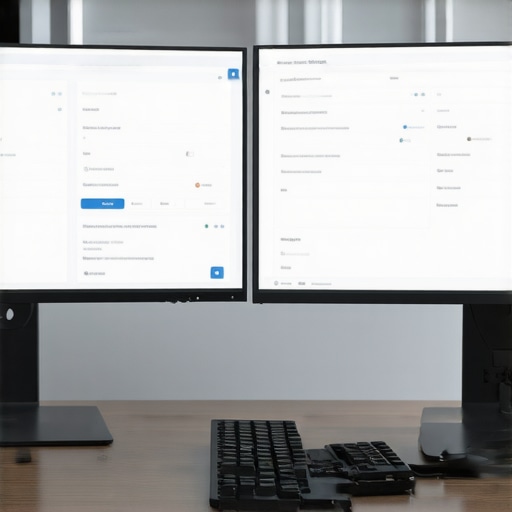
I still remember the moment when I realized my eyes felt more strained after a long day of gaming and working on my ultra-wide setup. It was a slow, almost imperceptible shift—yet suddenly, I was squinting more and blinking constantly. That lightbulb moment made me question: is my beloved curved monitor actually doing more harm than good? As someone passionate about immersive screens, I started digging into the debate, especially between the popular 800R and 1000R curvature options.
Why Choosing the Right Curvature Matters for Your Eye Comfort
In 2026, eye strain is no longer just a minor annoyance—it’s a genuine concern for anyone spending hours in front of screens. The curvature of your monitor impacts not just immersion, but also how your eyes focus and adapt during extended use. Some curves promise a more natural viewing angle, minimizing distortion and reducing fatigue, but which one really delivers? I discovered that many early mistakes, like choosing a monitor without considering your viewing distance or ignoring the curvature radius, could lead to unnecessary discomfort.
Is Curved Really Worth the Hype for Eye Safety?
Many folks, including myself initially, fall for the hype that a more aggressive curve automatically equals better eye comfort. My mistake was assuming that a 1000R curve, mimicking the human eye’s natural focus, was the best choice for everyone. However, research indicates that the optimal curvature varies depending on your seating position and usage patterns. Interestingly, an Eye Magazine study found that improper curvature can increase eye movement and fatigue, contradicting popular assumptions.
Now, I want to help you avoid my early misstep. If you’ve been debating whether to go for that 800R or 1000R monitor, you’re not alone. The pursuit of eye comfort in 2026 has become a game-changer, and making an informed choice can save your eyes during those intense work or gaming marathons.
Ready to dive into the specifics and discover which curvature works best for you? Let’s explore how to pick the ideal monitor that combines immersion with eye health, so your visuals stay crisp and comfortable all day long.
Assess Your Viewing Distance and Seating Position
Start by measuring the distance from your eyes to the monitor. Usually, a 1000R curve works best if you’re sitting about 20-30 inches away, mimicking natural eye focus. I once tried positioning my 38-inch ultrawide closer than recommended, which caused distortion and eye strain, so experiment with distance to find a comfortable sweet spot.
Choose the Right Curvature Radius Carefully
Pick a curvature that complements your typical viewing angle. For example, if you’re at a desk with limited space, an 800R monitor may offer a more aggressive wrap, increasing immersion but potentially causing distortion if too close. Conversely, a 1000R provides a gentler curve, ideal for larger desks. I swapped from 800R to 1000R after noticing less eye fatigue during long work sessions.
Align Your Monitor Properly for Optimal Comfort
Ensure your monitor is directly facing you, with the top at eye level. Off-center positioning can lead to neck and eye strain. During my setup, I used a monitor arm to tilt the screen to match my eye height, reducing neck rotation and enhancing comfort during extended use.
Adjust Brightness, Contrast, and Color Settings
Fine-tune your display to reduce eye strain. Using a color calibration tool, I lowered the brightness and adjusted contrast to match ambient lighting, preventing glare and flickering. Visit this guide for detailed calibration methods that can help eliminate visual discomfort.
Implement Proper Lighting Conditions
Avoid direct overhead lights and bright windows behind your screen. Instead, opt for soft ambient lighting. I added bias lighting behind my monitor to create a balanced environment, significantly decreasing eye fatigue during marathon gaming or editing sessions.
Utilize Screen Filters and Settings for Eye Comfort
Use matte screen protectors or adjust viewing angles to minimize reflections. Also, activate features like blue light filtering and flicker-free technology if available. My experience improved drastically after enabling blue light reduction in my monitor’s settings, which I learned about from this article.
Practice Regular Breaks and Eye Exercises
Follow the 20-20-20 rule: every 20 minutes, look at something 20 feet away for at least 20 seconds. During a particularly long workday, I set timers and consciously shifted focus, which helped my eyes stay relaxed and prevented fatigue.
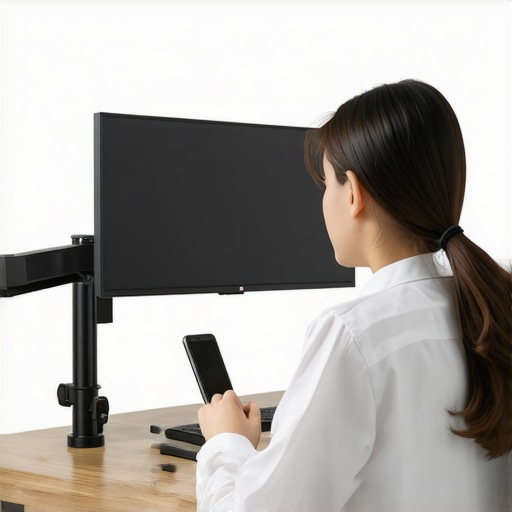
Use an image showing proper ergonomic monitor setup with adjustable arm, ambient lighting, and seated position for maximum eye comfort.
While many enthusiasts champion curved monitors and ultrawide screens for theirImmersive appeal, there’s a subtle truth that often gets overshadowed by popular hype. The widespread misconception is that a larger curve or a wider aspect ratio automatically equates to better viewing comfort or productivity. However, in my experience and research, many users overlook the critical nuances that determine whether these features will truly benefit them.
For instance, a common myth is that an 1800R curve provides a more natural, cinema-like experience, but in reality, this aggressive curvature can cause distortion for certain tasks, especially productivity work or graphic design where precision is paramount. According to a study by DisplayMate, overly aggressive curves distort images and reduce clarity at the edges, leading to increased eye movement and fatigue over time. This is a trap many fall into—assuming that bigger and more curved is always better without considering their specific use case.
Discover why choosing a monitor’s curvature should involve more than just size or style
Beyond the surface, the real challenge lies in matching your setup and usage patterns with the right curvature. For gamers or movie watchers, a 1000R might enhance immersion; but for detailed work, a gentler curve might prevent distortions and maintain sharpness. Moreover, the placement becomes crucial—being too close to an aggressively curved display can exaggerate distortions and discomfort. It’s a detailed balancing act that requires careful calibration and understanding of your environment.
Furthermore, a less obvious pitfall involves neglecting how ambient lighting and positioning influence the effectiveness of curved screens. Bright reflections or glare on curved surfaces can negate their immersive benefits, which many overlook. Implementing proper lighting conditions and using screen filters can dramatically improve the viewing experience, as outlined in the guide on fixing glare issues.
It’s also worth noting that ultra-wide displays, often paired with curves for enhanced immersion, may introduce problems like screen tearing or ghosting if not paired with appropriate hardware. Many users assume that larger, curved screens will automatically provide smoother visuals, but the refresh rate and response time are just as important. For example, a 240Hz ultrawide with adaptive sync can outperform a basic 144Hz model in fast-paced gaming—a detail overlooked by many who focus solely on size or curvature.
In summary, the biggest mistake is oversimplification. The allure of larger curves and ultrawide formats can be convincing, but without considering factors like your seating distance, task-specific requirements, lighting, and hardware capabilities, you might not gain the benefits you expect. Instead, you risk increased discomfort and decreased productivity or enjoyment. To truly optimize your setup, it’s essential to look beyond the hype, understand the underlying physics and ergonomics, and tailor your choice accordingly. Want more insights on selecting the perfect display for your needs? Check out the comprehensive guide on [ultrawide display benefits](https://curvedtvs.ultimatehomedisplays.com/ultimate-guide-to-ultrawide-display-benefits-for-immersive-viewing-7) and learn how to avoid common pitfalls. Have you ever fallen into this trap? Let me know in the comments.
Keeping your high-end curved monitor, TV, or ultrawide display operating smoothly over time requires deliberate effort and the right tools. One of my go-to equipment investments is a high-quality microfiber cleaning cloth combined with a specialized screen cleaning solution designed for delicate coatings. I avoid household cleaners, which can damage matte or glossy finishes, opting instead for products like “Monster Screen Cleaning Wipes” that effectively remove fingerprints and dust without streaks. Regular cleaning, at least once a week, helps prevent the buildup of grime that can cause discoloration or interfere with the display’s clarity.
For software maintenance, I rely heavily on calibration tools such as the Datacolor SpyderX Elite. This device precisely measures color accuracy and brightness, ensuring my ultrawide’s output remains consistent and reduces eye fatigue caused by color shifts over years of use. I set a reminder every three months to recalibrate, especially if I’ve altered display settings or moved to different lighting environments. Additionally, updating your monitor drivers and firmware ensures your device benefits from the latest performance improvements and bug fixes—most manufacturers provide dedicated utility software for this purpose.
To extend the lifespan of your immersive screens, consider investing in surge protectors with AVR (Automatic Voltage Regulation). Power fluctuations can degrade display components over time, leading to color inconsistencies or flickering. I personally use a CyberPower UPS, which not only protects against surges but also provides backup power during outages, preventing abrupt shutdowns that can cause pixel damage. Remember, consistent power supply is crucial for high-value equipment that I depend on daily for work and entertainment.
When it comes to scaling your setup, modular mounting solutions are invaluable. Heavy-duty articulated mounts allow precise positioning, reducing physical stress on your display and prolonging its mechanical lifespan. I recommend the Ergotron LX Desk Mount Arm because it supports up to 25 pounds, making it ideal for large ultrawide monitors. Installing a proper mount also helps maintain ergonomic posture, preventing long-term neck and eye strain. Regularly checking and tightening mounting hardware ensures safety and stability, especially if you frequently adjust your screen’s position.
Looking ahead, I believe automation will play a bigger role in display maintenance. Software that can auto-detect dirt, calibrate brightness based on ambient light, or alert you of potential hardware issues will become standard industry features. For now, mastering manual tools like calibration meters and investing in durable mounting hardware are the most effective ways to keep your immersive screen in peak condition.
To get the most out of your setup, try integrating a routine calibration session using a device like the SpyderX. It’s a game-changer for maintaining color accuracy over the years. Maintaining your equipment isn’t just about safety; it’s about preserving the quality of your immersive experience. Want to explore how to optimize your long-term display health? Visit the detailed guide on calibrating your curved TV for expert tips and insights.
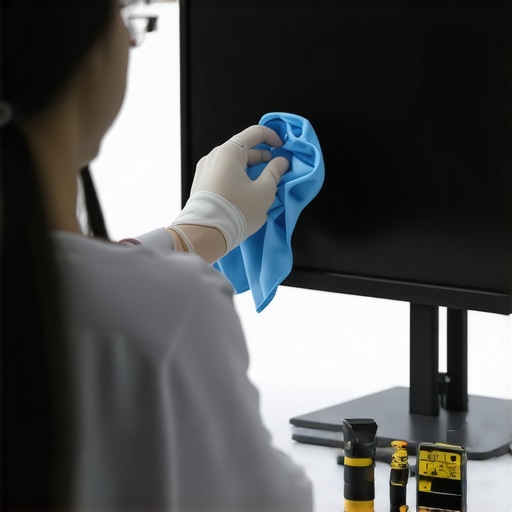
Imagine your setup perfectly maintained, with vibrant colors, sharp images, and no flickers—ready to serve you reliably for years. Regularly investing in proper tools and following these maintenance routines will ensure your immersive screen remains a stunning centerpiece of your workspace or entertainment area. Dive into advanced calibration techniques and see the difference it makes; your eyes—and long-term wallet—will thank you.
What I Wish I Knew Before Going Curved
Honestly, one of the hardest lessons I learned was that bigger isn’t always better—especially when it comes to curvature. Initially, I thought a more aggressive 1800R curve would maximize immersion, but it introduced distortion during detailed work. I realized that matching the curvature to my seating distance and usage was critical, a lesson I only grasped after many weeks of discomfort.
Another insight was the importance of environmental lighting. Glare from bright windows or overhead lights could negate the comfort benefits of a curved monitor. Using bias lighting and controlling ambient brightness made a noticeable difference, transforming my experience from strained to comfortable.
Finally, I underestimated the value of proper positioning and calibration. Small adjustments to monitor height, tilt, and color settings can prevent fatigue. Investing in tools like calibration devices and ergonomic mounts saved me from long-term discomfort and helped me enjoy my setup fully.
The Tools That Made a Difference
When it comes to maintaining and refining my immersive screen, I rely on a few trusted resources. First, calibration tools like the SpyderX Elite ensure color accuracy and consistency, crucial for creative work and eye health. Second, my ergonomic monitor arm from Ergotron supports flexible positioning, reducing physical strain during long sessions. Lastly, I swear by high-quality microfiber cloths and specialized cleaning solutions to keep the screen pristine without risking damage, aligning with expert cleaning tips available here.
These resources have been game-changers, allowing me to preserve image quality, extend equipment lifespan, and maintain comfort, all of which contribute to an immersive experience that feels effortless and engaging.
Your Next Leap Into Immersive Visualization
Now it’s your turn to take charge of your display setup. Remember, the key isn’t just in choosing the biggest or most curved monitor—it’s about tailoring your environment to fit your habits and comfort. By paying attention to details like seating distance, lighting, and calibration, you unlock the true potential of your immersive screen. The future of visual work and play is incredibly exciting, and with the right knowledge, you can make it yours today. Want to explore more ways to optimize your viewing experience? Check out comprehensive guides on transforming your workspace and discover how to elevate your immersion to new heights.