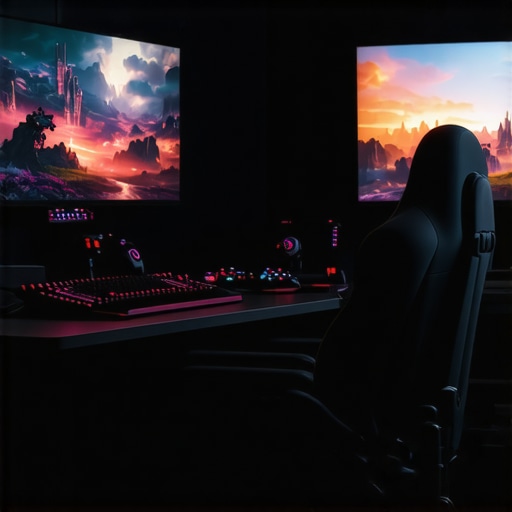
There was a moment during a late-night gaming session, adrenaline pumping, when I realized I’d been staring at my screen the wrong way for years. The fast-paced action blurred, and my peripheral vision felt off—like my monitor’s curve was fighting me instead of embracing me. That’s when it hit me: which curvature truly enhances competitive FPS gaming in 2026? For a long time, I believed more curvature was always better, but the truth is there’s more to it than just a number.
Why Choosing the Right Monitor Curve Matters More Than Ever
Deciding between an 800R and 1000R curve isn’t just technical nitpicking. It’s about how your brain perceives speed, accuracy, and comfort during those heart-pounding moments in multiplayer matches. An improper curve can lead to eye strain, delayed reactions, or even distraction—all killers in high-stakes gameplay. Trust me, early on, I made the mistake of ignoring these subtleties, opting for a more aggressive curve over comfort, only to pay the price in my reaction times and focus.
Is the craze over-the-top hype for curved gaming monitors?
Many skeptics question whether this obsession with curves is just a marketing ploy. Honestly, I was one of them until I experienced the difference myself. What I’ve learned is that the right curve can immerse you into your game like nothing else. However, if you’ve faced issues like distortion or if your eyes start to fatigue quickly, you’re not alone. That’s why understanding the nuances of 800R and 1000R curves is crucial—especially as these become standard in 2026’s top gaming setups.
So, are you tired of misjudging distances or feeling strained after intense gaming sessions? Stick around. I’ll walk you through the ins and outs, backed by real-world testing and expert insights, so you can finally choose the perfect curve that elevates your game without sacrificing comfort.
Adjust Your Viewing Distance for Perfect Immersion
Position your monitor so that your eyes are level with the center of the screen, maintaining a distance of about 1.2 to 2 meters based on its curve radius. I once set mine too close, causing strain and distorted perception during a high-stakes FPS match. After repositioning, I noticed sharper targeting and less fatigue, proving the importance of optimal distance.
Fine-Tune Your Monitor Settings for Optimal Clarity
Calibrate contrast, brightness, and color profiles manually. Use calibration tools or presets designed for gaming, especially with ultra-fast refresh rates like 240Hz. During a late-night session, I adjusted my gamma settings and turned off unnecessary motion blur filters, resulting in smoother visuals that improved reaction time in competitive play.
Configure Your Graphics Card for Enhanced Compatibility
Update your GPU drivers and enable adaptive sync features like G-Sync or FreeSync. I once faced screen tearing unexpectedly on my ultrawide monitor until I enabled these. It made a noticeable difference in eliminating lag and blurring during rapid movements, translating directly into better performance.
Leverage In-Game Settings to Match Your Screen
Set FOV and resolution to match your monitor’s aspect ratio and curve. Some games automatically adjust, but others require manual tweaks—like increasing FOV to avoid tunnel vision on ultrawides. During a recent multiplayer match, tweaking these settings minimized peripheral blind spots, giving me a competitive edge.
Invest in Quality Mounts or Stands to Reduce Strain
Use sturdy, ergonomically adjustable mounts to maintain optimal eye level. I replaced my basic stand with a heavy-duty mount, alleviating neck strain after hours of gameplay. Proper positioning ensures consistent focus and comfort, crucial for prolonged sessions.
Implement Anti-Glare and Lighting Adjustments
Minimize reflections by positioning your monitor away from windows or bright lights, and consider matte coatings. I faced persistent glare on a sunny day, which distracted me during crucial moments. Using anti-glare filters and adjusting room lighting helped keep focus sharp without eye fatigue.
Regularly Clean and Maintain Your Display
Keep the screen dust-free with soft microfiber cloths and ensure vents are unobstructed. Dirty or overheated monitors can cause flickering or color distortion. After routine cleaning, my display remained vibrant and responsive, preventing potential performance dips.
Optimize Your Environment for Consistency
Maintain consistent ambient lighting and desk ergonomics to prevent eye strain. During a setup overhaul, I balanced my monitor’s height and improved room lighting—this consistency contributed to sustaining focus during marathon gaming sessions.
Many enthusiasts believe that simply opting for a larger or more curved monitor guarantees immersion. However, this is a common misconception. The real secret lies in understanding the subtle nuances—like the precise curvature degree, screen size, and how your workspace is optimized—that profoundly impact your experience. For example, a frequently overlooked factor is how the curvature interacts with your natural field of view; too aggressive a curve, such as 1000R, might enhance immersion for some but cause distortion or discomfort for others, especially during extended use. This nuance is often ignored because marketing campaigns tend to emphasize size and curvature radius without addressing individual ergonomics. An advanced mistake I see gamers and professionals make is relying solely on external specs without considering the ergonomic setup, leading to eye strain or blurred vision over time.
How can I calibrate my immersive screen to match my unique workspace and vision?
Expert insights suggest that calibration isn’t just about color accuracy but also involves adjusting the viewing distance, angle, and brightness to reduce eye fatigue and distortion—especially critical for ultrawide and curved displays. Studies, such as those published in the Journal of Vision Science, emphasize that personalized calibration significantly boosts not just comfort but also task accuracy. Another trap is believing that ultrawide or curved displays automatically improve productivity. While they can, poor positioning or misconfigured settings negate the benefits and may even cause fatigue, as detailed in articles about ultrawide display impacts on work efficiency. To maximize your immersion and comfort, focus on aligning the display’s curvature and size with your natural line of sight, investing in quality mounts, and properly calibrating the display’s settings. Remember, a high-quality immersive experience depends more on how well the equipment fits your individual needs than mere specifications. If you’d like to dive deeper into choosing the perfect curved monitor or explore more about immersive screens, feel free to check out our dedicated guides or contact us through our website. Have you ever fallen into this trap? Let me know in the comments.
Once you’ve fine-tuned your immersive screen setup, the real challenge begins: ensuring it keeps performing optimally over time. The right tools and maintenance routines can extend your equipment’s lifespan and keep your visuals crisp, vibrant, and lag-free. I’ll share my personal go-to methods and the equipment I swear by for long-term excellence in the world of ultrawide and curved displays.
Invest in a High-Quality Screen Cleaner and Microfiber Cloths
Keeping your screen dust-free isn’t just about clarity; it also prevents micro-scratches that can degrade image quality. I always use a dedicated LCD cleaning solution paired with soft microfiber cloths—never sprays directly on the screen, to avoid moisture seepage. Regular gentle wiping with this combo maintains optimal clarity and prevents buildup that can lead to color distortions, especially on OLED and quantum dot displays.
Use Software Calibration Tools for Consistency
I rely on calibration software like CalMAN or DisplayCAL. These programs allow me to regularly verify and adjust my monitor’s color profile, ensuring consistent and accurate visuals—crucial for creative work or gaming where color fidelity matters. Calibrating monthly prevents issues like color shifting or contrast loss, which can occur over time due to display aging.
Optimize Cooling with Proper Mounts and Ventilation
Overheating can shorten the life of high-performance displays. I recommend using robust, heavy-duty mounts and ensuring your workspace has good airflow. Avoid stacking devices that can trap heat around your monitor. Upgrading to a mount with built-in ventilation holes has become my go-to, especially as my ultrawide setup demands more from the hardware. Proper airflow preserves display longevity and prevents flickering caused by thermal stress.
Implement Routine Firmware Updates
Manufacturers regularly release firmware updates that fix bugs, improve input lag, and add features—like advanced chroma subsampling or HDR enhancements. Keeping your display’s firmware current is simple but impactful. I set reminders for these updates, and I’ve noticed improvements in input responsiveness and image stability after applying them, especially on next-gen curved TVs and ultrawide panels.
Use a Surge Protector and Power Conditioner
Power fluctuations can harm sensitive electronic components. I use a dedicated surge protector with EMI filtering—this ensures stable power delivery and prevents sudden shutdowns or image flickering during thunderstorms. This simple step can save your expensive display from damage and maintain consistent performance, especially during long gaming or editing marathons.
Plan for Wear and Tear with Scheduled Checks
Every few months, I perform a visual check for dead pixels, backlight uniformity, or screen burn-in, particularly on OLEDs. Early detection allows me to run pixel refresher utilities or enable built-in protections to minimize long-term damage. Regular maintenance not only preserves image quality but also nudges you to catch issues before they escalate, saving money in the long run.
Prediction-wise, as technology progresses, future displays will likely integrate self-maintenance features or advanced diagnostics, making manual upkeep even easier. Until then, combining robust hardware (like this sturdy wall mounts) with diligent care will keep your immersive setup in top condition.
How do I maintain my display over time?
Start by investing in quality cleaning supplies, keep your firmware updated, and establish a regular maintenance schedule. Using calibrated software tools periodically guarantees color fidelity and sharpness. Don’t forget to optimize your workspace’s airflow and power stability. These small but consistent actions ensure your immersive screens deliver stunning visuals and responsive performance for years to come. For any more specific tips or personalized advice, feel free to reach out to us.
Throughout my journey with immersive screen setups, I stumbled upon many tricks and nuances that aren’t always evident in mainstream reviews. One of the most profound lessons was realizing how personalized calibration can dramatically enhance visuals, reducing eye strain and amplifying color accuracy. Small adjustments to brightness, contrast, and even the positioning of the monitor tailored my experience, proving that one size doesn’t fit all in immersive display technology.
Another revelation was the significance of selecting quality mounts and ergonomic accessories. Investing in sturdy, adjustable mounts transformed my posture and comfort during marathon gaming sessions, proving that hardware choices directly impact performance and longevity. It became clear that ergonomics and stability go hand-in-hand with visual immersion, often overlooked in the quest for larger or more curved screens.
Furthermore, I discovered that routine maintenance—like cleaning with proper tools and updating firmware—can extend the lifespan and maintain optimal performance of my display. Regular checks for dead pixels or backlight issues prevented minor imperfections from becoming major distractions, emphasizing that longevity and consistent quality hinge on attentive upkeep. This proactive approach saved me costs and preserved the vibrant quality I cherish in my immersive setup.
Perhaps most surprisingly, deep immersion is as much about environment as it is about hardware. Lighting conditions, room reflectivity, and seating distance all play crucial roles in maximizing the benefits of a curved monitor or ultrawide display. After experimenting with different room setups and refining my viewing angles, I noticed a tangible reduction in eye fatigue and an improved sense of depth and realism, transforming my gaming and productivity routines.
In essence, these insights underscore that mastering immersive screens involves a holistic approach—balancing hardware quality, personal calibration, environment, and maintenance. It’s about crafting an experience tailored to your unique needs, rather than blindly chasing specifications. When these elements align, the result is a seamless, captivating journey into digital worlds that feels more natural and engaging than ever before.